PIPELINE
SAFETY INFORMATION

EMERGENCY & PUBLIC OFFICALS

EXCAVATORS & FARMERS
LANDOWNERS & RESIDENTS

PIPELINE PURPOSE & RELIABILITY
Pipelines and facilities are part of a vast national network of underground pipelines. The system is our country’s lifeline for a variety of daily activities. From natural gas to heating oil, from water to jet fuel, pipelines reliably deliver products many of us take for granted. However, these are essential to our nation’s economy and standard of living.
Some pipelines transport potentially hazardous and flammable substances under high pressure. Yet, according to statistics from the National Transportation Safety Board and the U.S. Department of Transportation (DOT), pipelines are one of the safest modes of transportation in the United States.
There are over 2.6 million miles of transmission, gathering, and distribution pipelines in the United States that transport a variety of petroleum and natural gas products. Pipelines and facilities provide support for two-thirds of the energy we use each year. The U.S. Department of Transportation states that pipelines are the safest mode of transportation for natural gas and petroleum products.


EMERGENCY PREPAREDNESS
Pipeline companies maintain close relationships with local emergency response officials and provide them with detailed information about responding to a natural gas or liquids related incident. The information that they provide includes their first priority of public safety, emergency contact information, how to access their Emergency Response Plans, and the availability of emergency drills and exercises. These partnerships help to prevent incidents and keep pipeline companies constantly prepared to respond immediately and effectively in the unlikely event of an emergency.
PIPELINE LOCATION
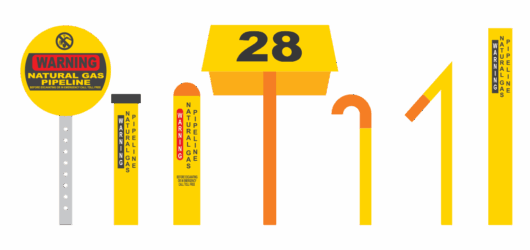
Most pipelines are buried out of sight, but they should never be out of mind. Pipeline signs, as shown, are placed where pipelines intersect public roads, river crossings, and railways. They explain what the pipeline carries and provide the pipeline operator’s name and phone number in case of an emergency. Pipeline signs do not indicate the exact location or depth of the pipeline and may not be present in certain areas. Always call 811, even when you’re digging by a marked pipeline.
INTEGRITY MANAGEMENT & HIGH CONSEQUENCE AREAS
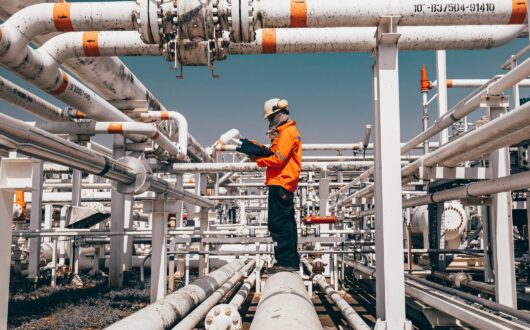
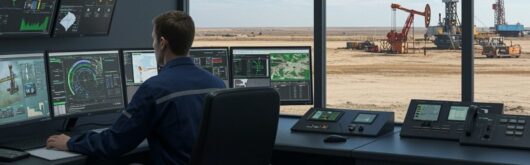
Pipeline companies monitor the operation of their pipeline systems 24 hours a day, 7 days a week. Routine inspections, computer monitoring systems, corrosion protection, maintenance, and regular employee training events are just a few of the ways they ensure the safe and reliable operations of their pipelines. These pipelines are designed, tested, installed, operated, and maintained in accordance with all applicable federal and state requirements.
Pipeline companies have developed supplemental hazard and assessment programs known as Integrity Management Programs (IMPs). IMPs have been implemented for areas designated as “high consequence” in accordance with federal regulations. Active pipelines are monitored 24 hours-a-day.
For more information about the products transported in your community, please see the Pipeline and Hazardous Material Safety Administration’s “Emergency Response Guidebook.” Request a free copy or download the mobile app at: www.phmsa.dot.gov/hazmat/erg/emergency-response-guidebook-erg.