PIPELINE
SAFETY INFORMATION

EMERGENCY & PUBLIC OFFICALS
EXCAVATORS & FARMERS
LANDOWNERS & RESIDENTS

PIPELINE PURPOSE & RELIABILITY
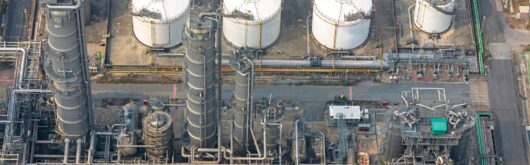
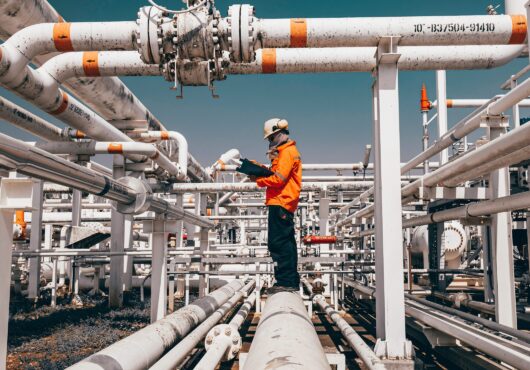
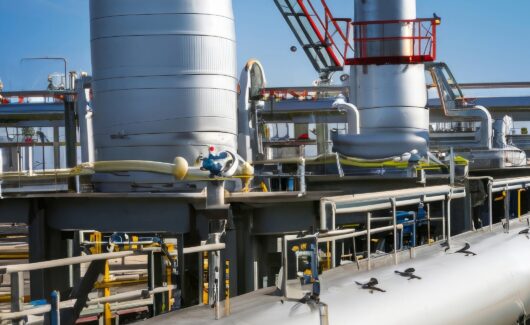
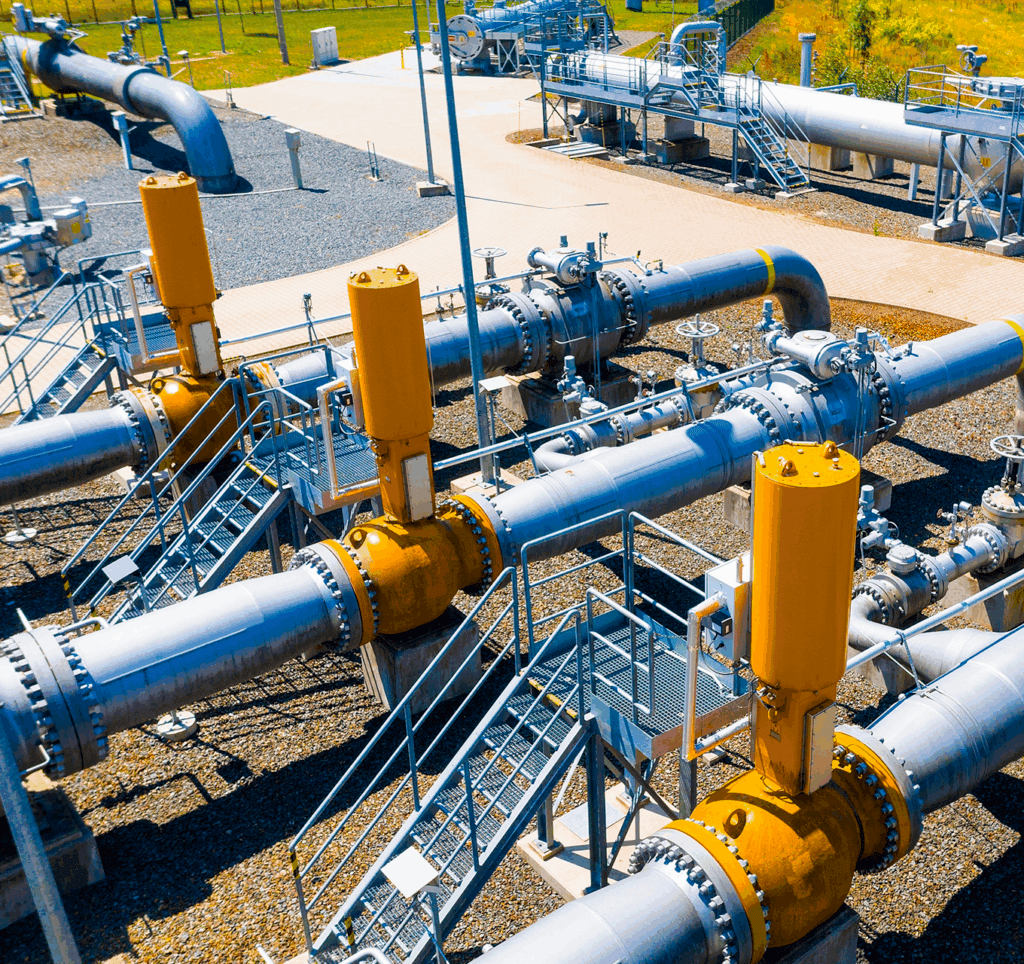
Pipelines and facilities are part of a vast national network of underground pipelines. The system is our country’s lifeline for a variety of daily activities. From natural gas to heating oil, from water to jet fuel, pipelines reliably deliver products many of us take for granted. However, these are essential to our nation’s economy and standard of living.
Some pipelines transport potentially hazardous and flammable substances under high pressure. Yet, according to statistics from the National Transportation Safety Board and the U.S. Department of Transportation (DOT), pipelines are one of the safest modes of transportation in the United States.
There are over 2.6 million miles of transmission, gathering, and distribution pipelines in the United States that transport a variety of petroleum and natural gas products. Pipelines and facilities provide support for two-thirds of the energy we use each year. The U.S. Department of Transportation states that pipelines are the safest mode of transportation for natural gas and petroleum products.
DAMAGE PREVENTION
Pipeline Companies maintain damage prevention programs in accordance with state and federal guidelines. The purpose of these program is to educate the public on 811 and how to maintain safety near pipelines. If you cause or witness even minor damage to a pipeline or its protective coating, please immediately notify the pipeline company. Even a small disturbance to a pipeline may cause a future leak. A gouge, scrape, dent, or crease is enough for the pipeline company to inspect the damage and make repairs. Do not cover a pipeline that has been disturbed. It makes it more difficult to find the damaged area.
The leading cause of pipeline incidents is third-party digging without the proper notification to 811. Even smaller projects including installing mailboxes, fences, flag poles, placing signs, plowing, and basic landscaping can damage a pipeline or underground utilities.
See Something... Say Something! Keep Your Neighborhood Safe!
Be aware of people acting suspiciously near pipelines or pipeline facilities. Report unusual or suspicious activity, including:
- People of vehicles loitering in the vicinity of pipelines or pipeline facilities
- People taking photos, videos or showing other unusual interests in pipelines and facilities
- A strong odor or fluid leaking from a vehicle near a pipeline facility
RECOGNIZING & RESPONDING TO A LEAK
Although pipeline leaks are uncommon, it is important to be able to recognize the warning signs using sight, sound and smell. Leaks could be in a liquid or gaseous state. All of these signs may not be evident at the same time.



Sight:
- Discolored or dead vegetation
- Flames coming from the ground
- A cloud, vapor or mist
- A pool of liquid on the ground or bubbling in a wet-flooded area
- Dirt blowing in the area
- A rainbow or sheen on the water
Sound
- An unusual hissing or roaring noise coming from a pipeline
Smell
- An unusual odor or scent of gas, petroleum liquids or a slight hydrocarbon smell
- Products are primarily odorless, but may contain a rotten-egg smell from the odorant Mercaptan
- Hydrogen Sulfide will carry a pungent, rotten egg odor
What To Do If You Suspect A Leak:
• Flee the area immediately, upwind from the potential leak
• When at a safe distance, call 911 first and then the pipeline operator
• If it is safe to do so, warn others against entering the potential leak area and/or creating an ignition spark.
What Not To Do If You Suspect A Leak:
• Start or stop an engine of any kind.
• Strike matches or create a flame of any kind.
• Use a telephone or cell phone, unless you are at a safe location upwind that is away from the location of the leak.
• Turn on or off any light switches, garage door openers or other electrical switches.
• Touch, breathe, or make contact with leaking product.
• Drive into a leak or vapor cloud area.
HOW PIPELINE COMPANIES RESPOND TO A LEAK
Pipeline companies strive to build partnerships with emergency officials to share resources and provide education for a safe response to a pipeline emergency. In the unlikely event of a pipeline emergency, The Pipeline Company will work with the respones community to control the situation as quickly as possible.
Our trained personnel will:
- Arrive at the site of the emergency and stop or reduce product flow to the area
- Notify and work with the appropriate emergency response officials
- Repair the facility and restore service as soon as possible
- Fully investigate the cause of the incident
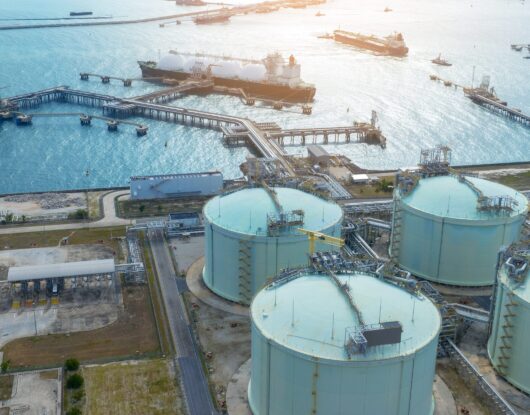
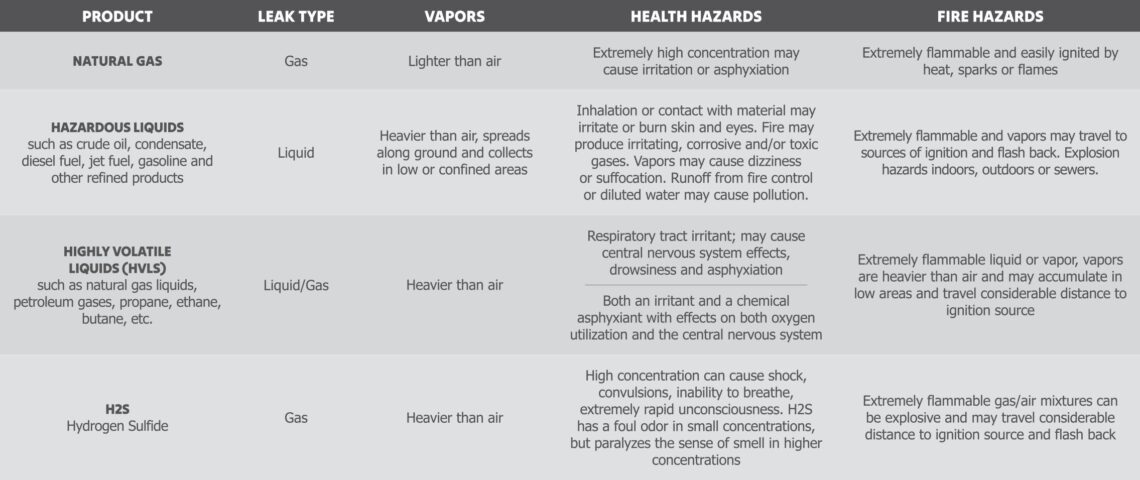
POTENTIAL HAZARDS OF A PIPELINE RELEASE
To protect the pipelines and communities they serve, pipeline companies perform employee training, regular maintenance, testing, corrosion protection and inspections to check for leaks and damage. Here is a list of common products transported in pipelines.